

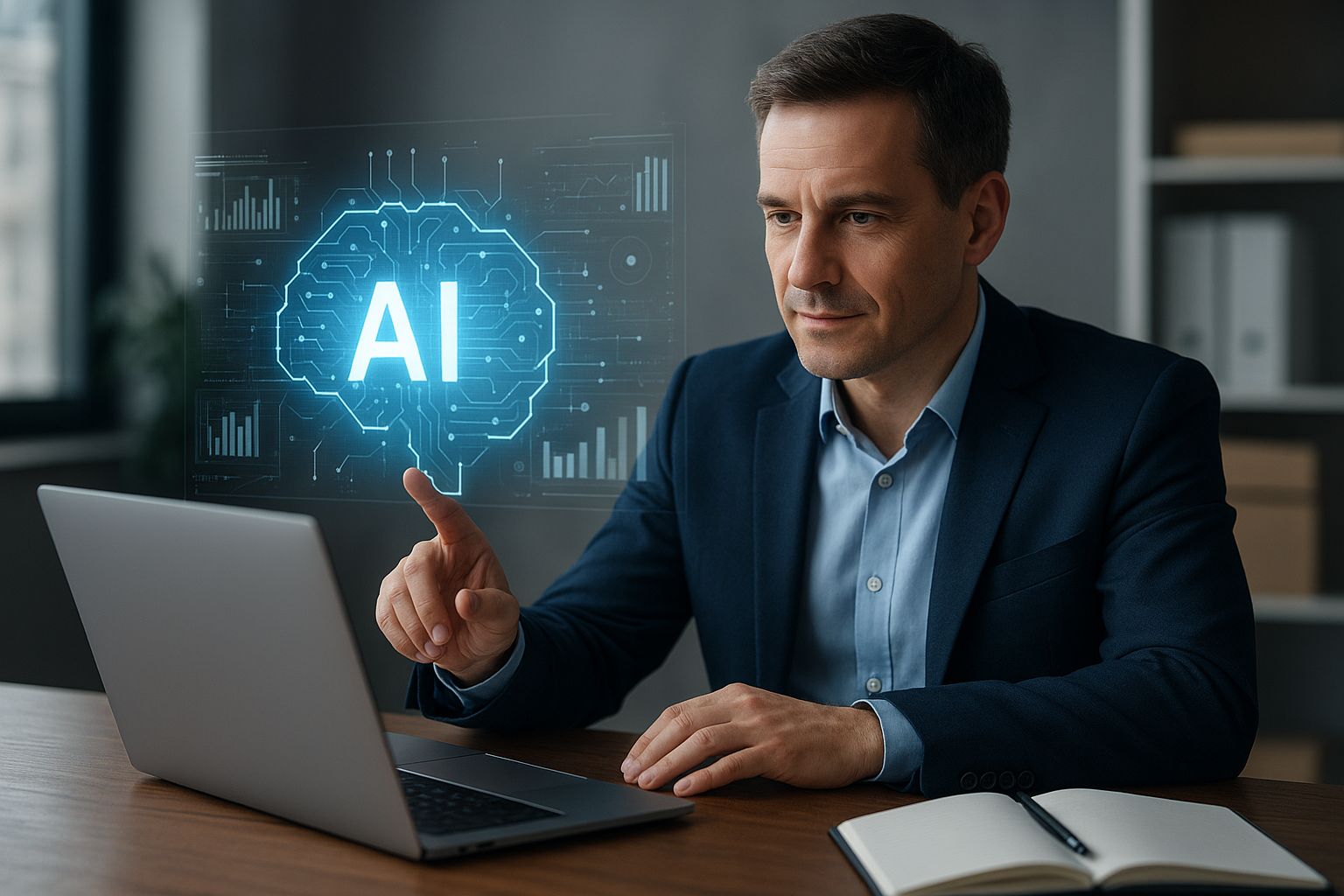
In the dynamic world of marketing, Chief Marketing Officers (CMOs) are increasingly turning to artificial intelligence (AI) to revolutionize their strategies. The integration of AI is proving indispensable, particularly in enhancing customer engagement and personalization efforts. As businesses strive to stay competitive, AI applications offer sophisticated solutions for understanding consumer behavior, optimizing campaigns, and personalizing customer experiences—elements that are pivotal for effective marketing.
One of the critical benefits AI brings to marketing strategies is data-driven decision-making. AI systems can analyze vast amounts of data in real time, providing CMOs with actionable insights more efficiently than traditional methods. These insights help identify trends, predict consumer preferences, and tailor strategies that resonate more deeply with target audiences. By tapping into AI, marketers can shift from reactive to proactive stances, anticipating customer needs before they even arise.
Moreover, AI’s capabilities in segmentation and targeting are fundamentally transforming how CMOs approach personalization. Machine learning algorithms analyze customer interactions across various channels, identifying unique patterns and preferences. This detailed understanding allows organizations to segment their audience more precisely, enabling hyper-targeted campaigns that enhance customer engagement. For instance, dynamic content generation driven by AI ensures that the right message is delivered to the right audience at the right time, thereby maximizing impact and fostering consumer loyalty.
Another growing trend is the use of chatbots and virtual assistants, powered by AI, to enhance customer interactions. These AI tools provide personalized, real-time support, addressing customer queries efficiently and improving the overall user experience. As consumers increasingly expect instant responses, virtual assistants are becoming a crucial component of digital customer service, significantly impacting customer satisfaction and retention rates.
Furthermore, AI-driven analytics play a vital role in evaluating the effectiveness of marketing campaigns. CMOs can leverage AI tools to measure key performance indicators in real-time, allowing for adjustments on-the-fly. This agility not only optimizes marketing spend but also ensures that campaigns remain relevant and engaging to the intended audience.
AI’s impact on marketing is transformative, with the potential to redefine CMO strategies fundamentally. However, successful integration requires a nuanced understanding of both technology and consumer psychology. CMOs need to ensure that their teams are equipped with both the technical skills to implement AI solutions and the strategic insight to interpret AI-generated data meaningfully.
As AI technology continues to evolve, its role in marketing will likely expand, offering even more innovative ways for CMOs to connect with consumers. Those who embrace these advancements will find themselves at the forefront of customer engagement and brand loyalty, setting new standards for marketing excellence in the digital age.